Why Does One Eyeliner Tube Nail the Line While Another Fades? A Comparative Deep-Dive
Setting the Scene: A Simple Line, A Tough Choice
I’ve watched friends blame shaky hands when a wing goes wrong. Then I looked closer at the gear. The eyeliner tube matters more than we think. On a busy morning, you twist a cap, swipe once, and expect the line to flow. Data says almost half of user complaints in cosmetics come from flow control and drying, not skill. That’s the quiet culprit sitting on your counter (yep, hiding in plain sight). So let’s ask a real question: is the problem your technique, or the container’s design?

Picture two tubes from the same shelf. One glides for weeks. The other clogs by Friday and leaves the cap crusty. Same formula, different build. You feel it in the tip, the seal, the wiper insert. You see it in how fast the solvent vents. Small parts, big swings — funny how that works, right? If you’ve ever fought with a flaky line at 7 a.m., you know the pain. Let’s break down why some tubes deliver while others stall, and what to watch for next.
The Hidden Friction: Why the “Simple” Empty Tube Causes Real Problems
Where do traditional designs fall short?
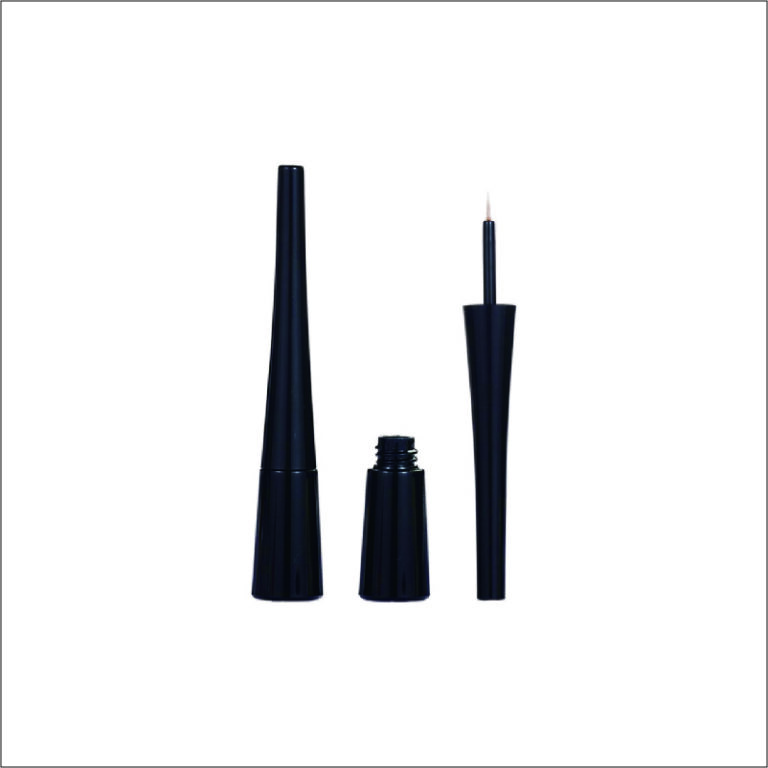
Here’s the thing: an empty eyeliner tube isn’t simple at all. It’s a system: cap, stem, wiper, barrel, and tip. Old-school builds often miss on three quiet specs. First, the wiper insert. If the inner lip doesn’t match the applicator’s diameter within a tight tolerance stack, you get either over-load (messy, blotchy line) or starvation (scratchy drag). Second, the seal. A cheap cap without a proper O-ring or a poor thread pitch lets solvent breathe out. That drives up drying time and kills glide. Third, surface friction. Unfinished barrels and rough necks shed micro-debris into the formula. You feel that grit when the tip snags.
Look, it’s simpler than you think. The fixes are basic, but they’re often skipped. PP resin can be fine, but without a smoother wiper geometry and stable durometer, it scuffs the applicator and scrapes too hard. A better insert with micron-level clearance keeps the viscosity in a sweet zone. The right torque window on the cap prevents stress cracks while maintaining seal pressure. Add a thin plasma-treated inner wall to reduce solvent loss rate, and you stretch usable life by days. Users don’t see any of this. They just think the liner died fast. The pain point isn’t your hand; it’s how the tube meters flow and guards the formula between uses.
Next-Gen Moves: How Better Builds Change the Daily Line
What’s Next
Now let’s shift from the problems to the better play. Newer designs tweak the same parts with smarter principles. Think low-friction neck finishes, UV-cured coatings, and improved wiper lips that match applicators with tighter tolerances. Some even use hybrid stems that flex just enough to maintain contact without scraping. Pair this with a cap seal that uses a dual-lip interface, and you cut evaporation — fast. Compared to older barrels, a modern setup keeps the line wet longer and steadier. Drop that in a liquid eyeliner tub, and you see it right away: fewer skips, cleaner starts, and less shake demanded from you. This isn’t hype; it’s small engineering doing big favors.
We’re already seeing air-reduction channels and smarter wipers that meter product like a valve. Not mechanical, but close. Anodized aluminum shells shield light; PETG barrels resist stress whitening. Together, they protect the formula, especially with carbon black pigments that settle fast. And yes, a tuned cap torque — not too tight, not loose — keeps the seal without deforming the thread. In short, better seals, smoother walls, and matched inserts reduce clogs and keep glide alive. That’s the carryover from the last section, but projected forward. If you’re choosing your next setup, watch three things: seal integrity over time; wiper-to-applicator fit; and solvent retention after 30 open/close cycles. Get those right, and morning lines stop being a gamble — which saves time, nerves, and product. Closing thought: tools should make skill easier, not harder, and that’s the real test of a tube design. You don’t need the fanciest badge; you need the one that works, day in and day out. That’s the quiet win (no drama, just results) from smarter packaging by partners like NAVI Packaging.