Field Notes: Why the Usual Fixes Fall Short
Last December I stood beside a containerized 2‑hour lithium iron phosphate BESS at a small substation near Cedar Rapids, watching technicians wrestle with a stubborn inverter fault after three nights of heavy dispatch—an all-too-familiar scene. I then noted that our site-level dispatch had shifted capacity by 18% while the regional reserve margin slipped; can that kind of patchwork reliability scale?
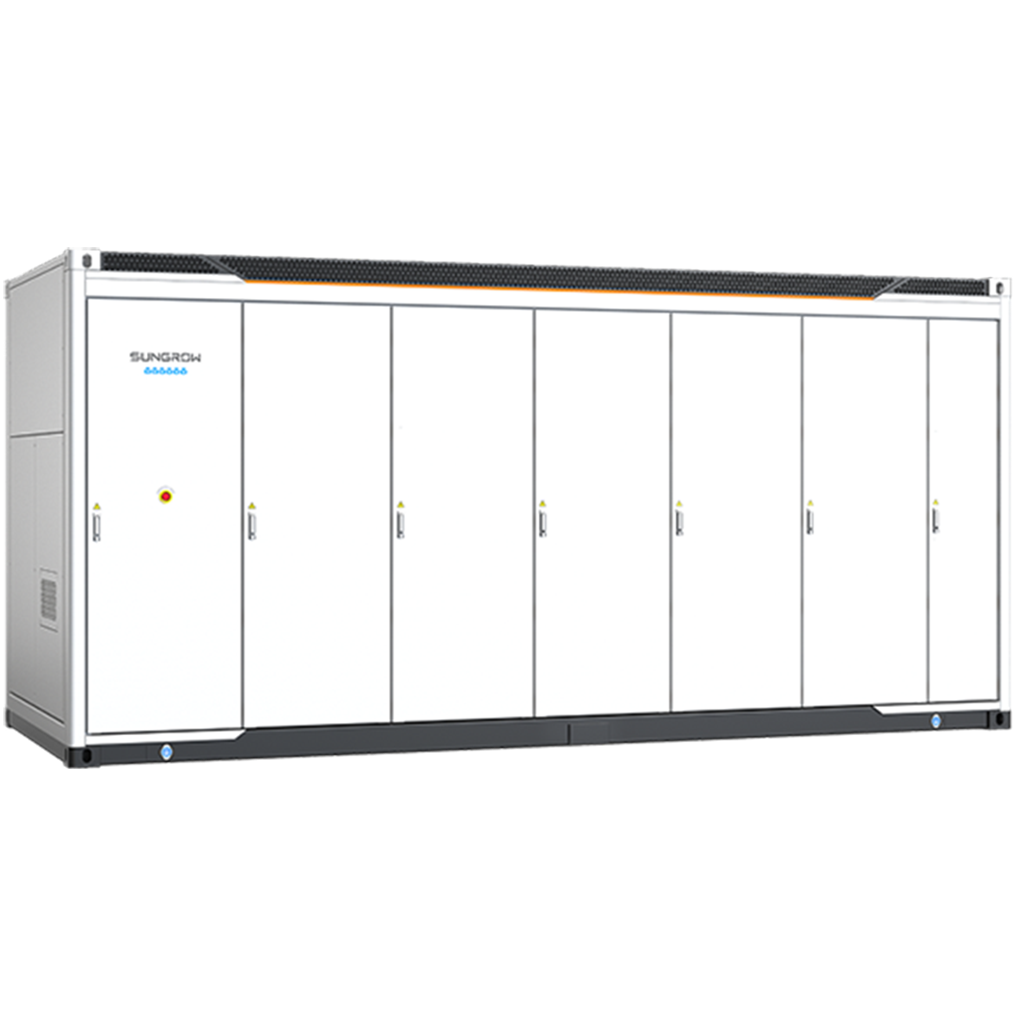
That battery storage power station was bought to cover peak shaving and frequency response, but the traditional method of sizing around nameplate megawatts and an assumed round-trip efficiency hides real user pain: repeated inverter resets, unexpected thermal management cycles, and an SOC (state of charge) strategy that forced early throttling. In my 17 years in B2B supply chain and project delivery I’ve learned that grid operators call this “delivering the promise” but operators on the ground call it juggling (no kidding). The deeper issue isn’t just capacity—it’s how control logic, power electronics, and C‑rate limits interact under real stress, creating cascading maintenance headaches and reduced asset life. This creates recurring O&M expenses and service interruptions, which wholesale buyers rarely price into procurement.
So what to watch for next — and how do you avoid buying a problem in a pretty container?
Forward View: Comparing Better Approaches for Grid Performance
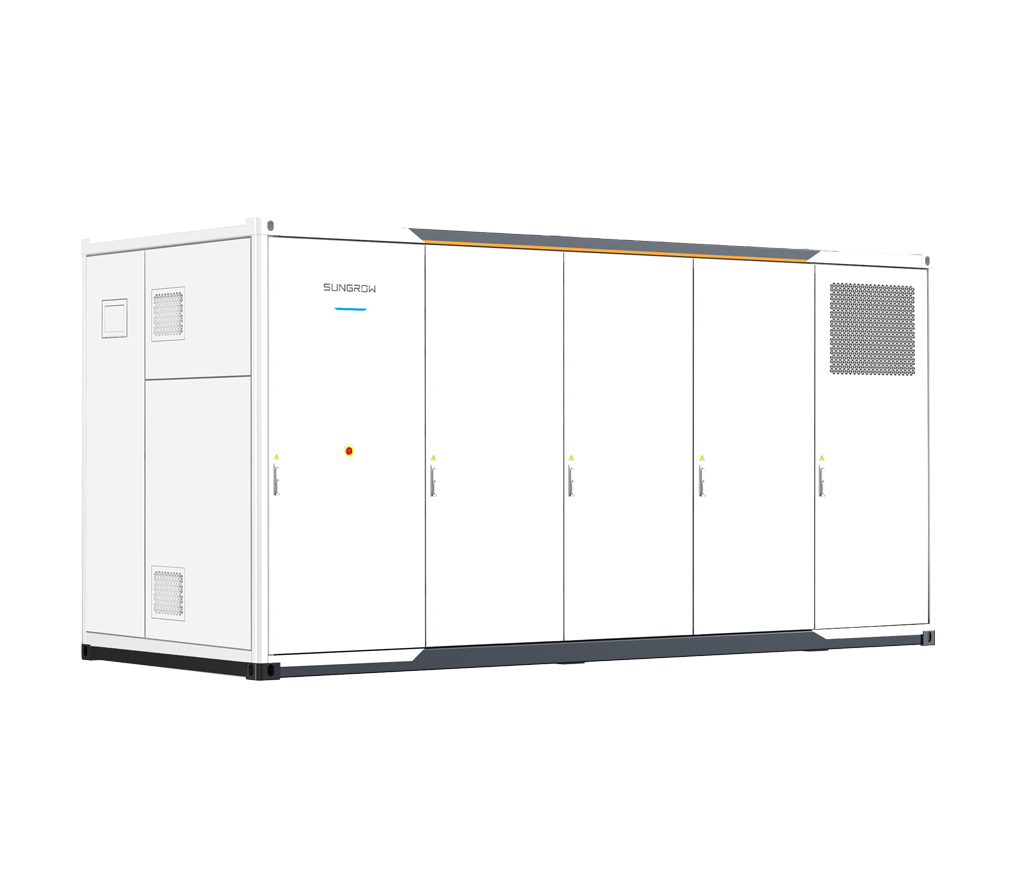
When I switch to a forward-looking comparison, I focus less on headline MWh and more on usable energy under real constraints. Consider grid scale electricity storage solutions that publish both sustained power and degradation curves under rated duty cycles; those numbers matter far more than initial efficiency claims. I’ve run acceptance tests in Iowa in March 2021 where two 5 MW systems with identical specs diverged by 7% usable capacity after 12 months because one used conservative thermal controls and the other prioritized tight SOC windows—results you can measure.
Technically speaking, the winning designs blend robust thermal management, redundancy in power electronics, and adaptive SOC algorithms that account for temperature and forecasted dispatch. That’s not glamorous, but it’s where you cut long‑term cost. We should evaluate BESS candidates on three clear metrics (more on that below). Also—small detail—ask for firmware revision history during bidding; it tells you how often a vendor has patched safety or performance quirks.
What’s Next?
Looking ahead, I recommend moving procurement conversations past peak MWs into lifecycle-centered criteria. Test for real-world conditions: run week-long soak tests at low temperatures, demand maximum charge/discharge cycles, and capture thermal map logs. I remember one February test — we ran continuous cycling for 96 hours — the SOC controls tripped under the cold; that failure saved us money in the long term because we rejected the unit early. Short story: insist on honest test data, and your asset will thank you.
Closing Guidance: Three Practical Evaluation Metrics
I’ll leave you with three concrete metrics I use when vetting grid-scale offers—I’ve applied them on projects in Minnesota and Ohio, and they hold up. First, usable MWh at -10°C: not just rated MWh but what you actually get in winter. Second, documented mean time between failure (MTBF) for inverters and power electronics under contractually verified duty cycles. Third, projected calendar and cycle degradation over five years with real dispatch profiles. Measure these, and you move from guesswork to procurement that protects revenue.
Buyers: ask for thermal and firmware logs, demand an acceptance test with your dispatch profile, and price O&M as a line item. I’ve seen deals saved that way — once during a 2020 RFP where the vendor’s MTBF claim collapsed under test, and we pivoted to a supplier with better long-term data. Short pause — check your contracts; then act. For practical supply and project support, consider partners who publish site-level performance and keep open documentation, such as sungrow.