Embracing Wellness: A Holistic Approach to Healthy Living
Wellness is more than the absence of disease—it is a proactive and holistic approach to living a healthier and more balanced life. In today’s fast-paced world, wellness has become a cornerstone of happiness and longevity. It encompasses physical health, mental promise of wellness clarity, emotional resilience, and spiritual peace, emphasizing the interconnectedness of all these aspects of life.
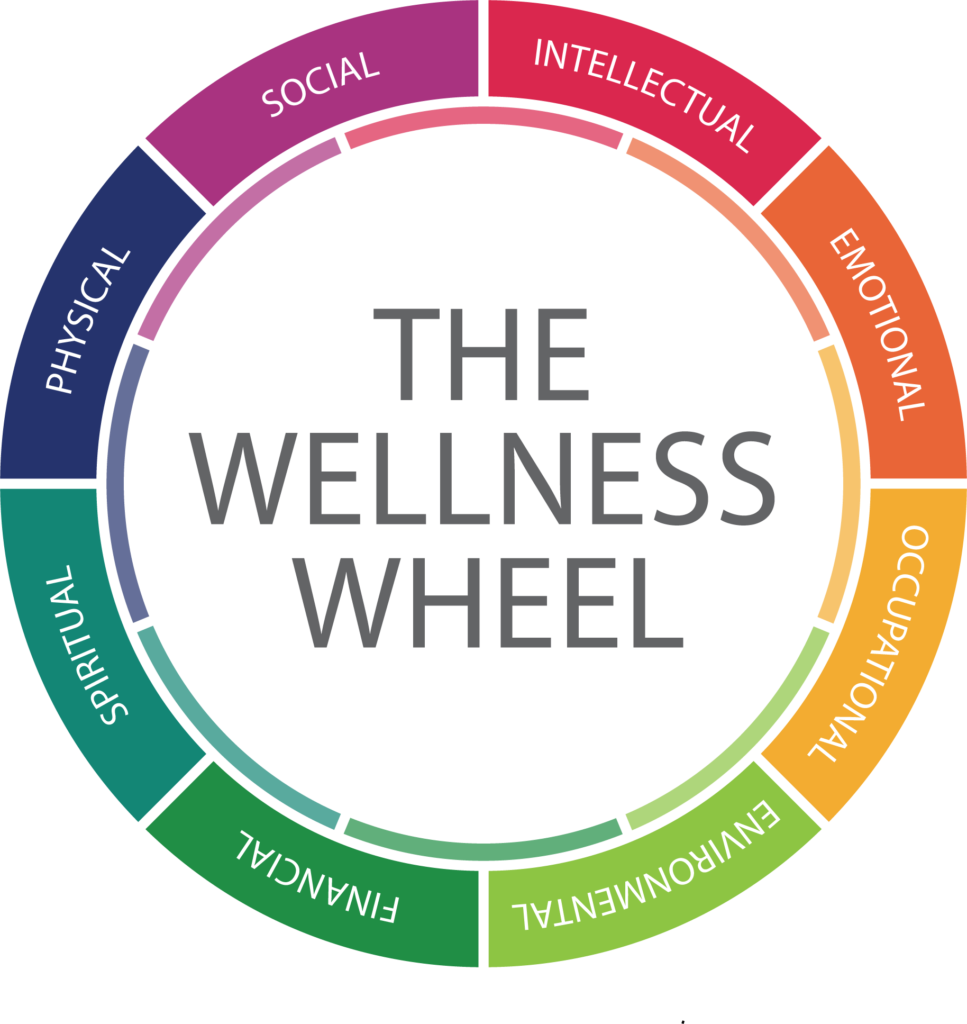
The foundation of wellness lies in physical health. A well-balanced diet rich in whole foods, regular physical activity, and sufficient rest are essential for maintaining vitality. Exercise not only strengthens the body but also releases endorphins, enhancing mood and reducing stress. Sleep, often overlooked, plays a critical role in healing and rejuvenation, while good hydration and proper nutrition fuel the body for optimal performance. Together, these habits create a strong base for a vibrant life.
Mental and emotional wellness are just as important as physical health. Managing stress through mindfulness practices, meditation, or deep breathing exercises can bring clarity and calm. Building emotional resilience means acknowledging feelings, embracing self-compassion, and maintaining a positive outlook on life. Seeking professional help or talking to loved ones can also provide support during tough times, reminding us that mental health is not a sign of weakness but a vital component of wellness.
Social connections are another pillar of wellness, as human beings thrive on relationships and community. Building and nurturing meaningful relationships with family, friends, and colleagues fosters a sense of belonging. Social activities, whether volunteering or participating in group events, strengthen bonds and provide emotional support. In contrast, feelings of isolation can negatively impact both mental and physical health, highlighting the importance of maintaining social ties.
Spiritual wellness, though personal and varied, adds depth and purpose to life. It may involve connecting with nature, practicing meditation, or exploring one’s faith. Spiritual practices help individuals find inner peace, align with their values, and build resilience against life’s uncertainties. They remind us of the importance of gratitude and compassion, both for ourselves and for others, creating a sense of harmony and fulfillment.
Ultimately, wellness is a journey, not a destination. It requires consistent effort, self-awareness, and adaptability to life’s ever-changing demands. By balancing physical health, mental clarity, emotional stability, and spiritual growth, individuals can create a lifestyle that promotes happiness and longevity. Wellness is a lifelong commitment to living fully, thriving in harmony with oneself and the world.