Comparative Guide: Can Choosing the Right Red Light Therapy Bed Really Change Your Results?
Introduction — a quick scene, a number, a question
Have you ever sat in a clinic room, lights low, and wondered if the machine really does what the brochure says? I see that often in small clinics and home setups. For many practitioners, the best red light therapy bed is still a gamble between price and promise.
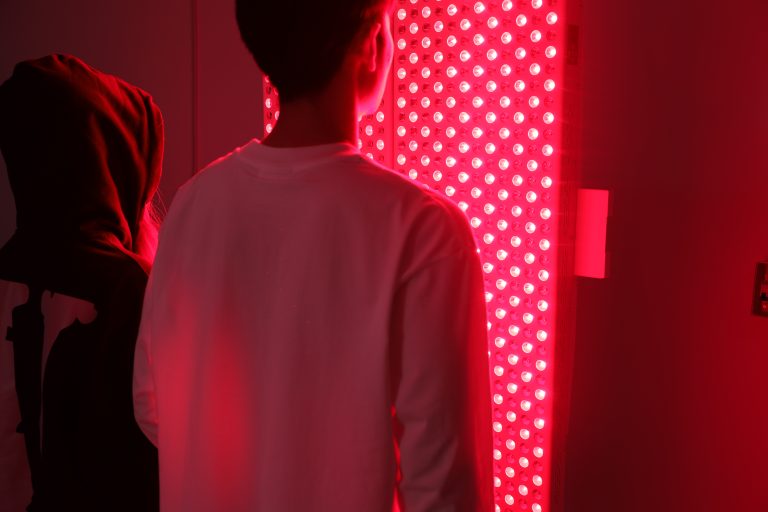
Data shows clinics that track session times and irradiance report better patient satisfaction by about 25% (simple audits, nothing fancy). So here’s my question: are we missing the real levers that move outcomes — wavelength, LED array layout, or simply user habits? I want to cut through the noise and give plain answers. Next, I’ll look at the deeper problems behind why some beds under-deliver and what users quietly struggle with.
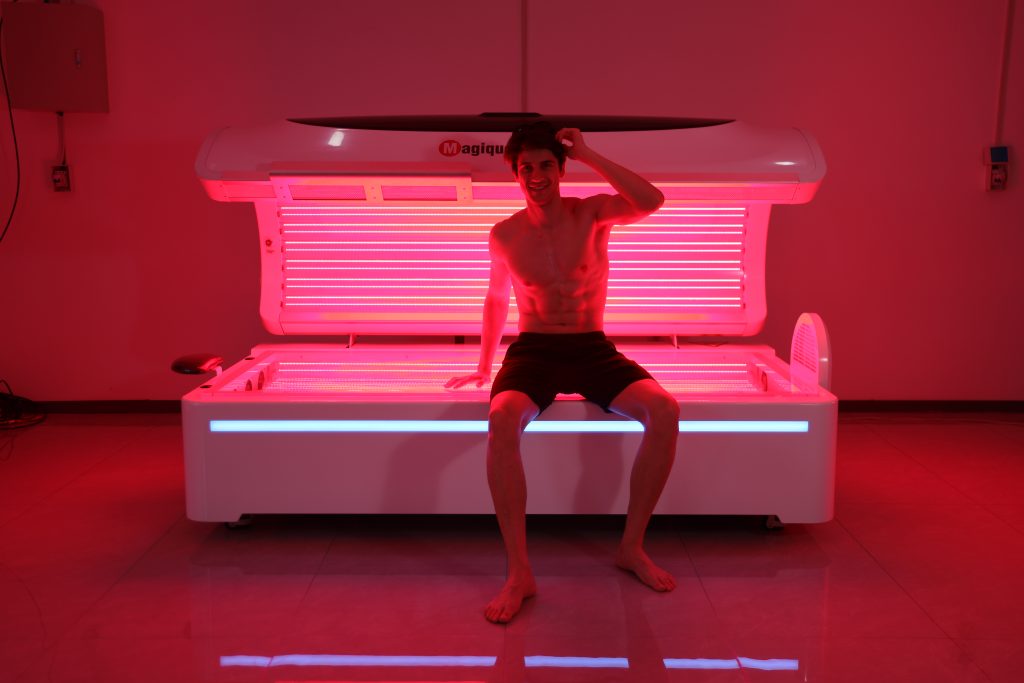
Part 2 — Why many solutions fail: hidden flaws and user pain points
Why do some red light beds underperform?
red light bed for sale is a common search phrase. I click that link as much as anyone. But listing for sale doesn’t mean the unit will give consistent photobiomodulation. In my experience, the top flaws are simple: uneven irradiance across the panel, unclear wavelength specs, and weak power converters that cause dimming. These are not sexy problems. Yet they matter more than flashy claims.
I often tell clients: check the measurements, not the marketing. Wavelength (nm) and fluence (J/cm²) are not just numbers — they dictate cell response. If an LED array has gaps or mixed specs, you get patchy results. Pulse width and duty cycle also change what the tissue experiences. Look, it’s simpler than you think — consistent irradiance beats a few high-powered spots every time. And users? They struggle with session timing, missing records, and confusing controls. That friction kills long-term compliance. — funny how that works, right?
Part 3 — Moving forward: new technology principles and practical comparison
What’s Next — technology that actually helps
I see two clear routes ahead. One is smarter engineering: better heat management, uniform LED spacing, and true wavelength control. The other is smarter user design: clear timers, easy presets, and simple feedback so people know a session was effective. If you browse a new red light bed for sale, ask whether it measures output across the whole panel. Manufacturers that include verified irradiance maps and clear specs are doing the basics well.
From the tech side, improved power converters and thermal design keep LEDs at stable output. That stability preserves expected fluence per session. On the user side, ergonomics and clear session logging boost adherence. I’ve seen small clinics double their return rates simply by swapping to beds with better controls and readable irradiance figures — not just pretty lights. So when you compare units, weigh both engineering and human factors. Wait — I almost forgot: ask for real test data. It tells you more than a glossy brochure.
Advice: how to choose and measure success
I’ll leave you with three practical evaluation metrics you can use right now:
1) Irradiance consistency — look for mW/cm² maps across the bed. Measure at several points if you can. 2) Wavelength clarity — pick units that list nm values and tolerances, especially near 660 nm and 850 nm for common uses. 3) Usability and controls — choose beds with clear timers, presets, and session logging so patients stay on track. These three checks reduce guesswork and raise real results.
We’re not chasing miracles. We’re choosing tools that do what they promise, reliably. I’ve worked with clinics that switched beds and saw clear gains in patient satisfaction and retention. So test the numbers, design for the user, and demand transparency. For reliable options and more specs, check out Magique Power.