Introduction
I remember walking into a small factory that made baby wipes and thinking: this room could be a goldmine or a minefield. A few machines, a tired conveyor, and a team hustling to meet orders—sounds familiar to anyone dealing with a wholesale wet wipe production line. Recent industry figures show mid-size producers can swing between slim margins and healthy profits depending on equipment choices and uptime (we tracked average OEE improvements of 8–12% after basic upgrades). So I ask: how do you decide which upgrades actually pay off and which are just noise? Let’s unpack what I’ve seen work — and what usually fails — so you don’t repeat costly mistakes. Ready to dig in?
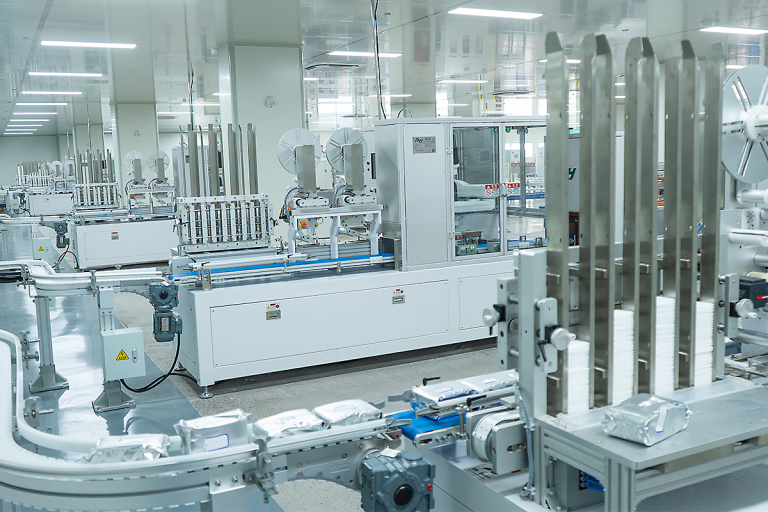
Where the Numbers Don’t Tell the Whole Story — Hidden Costs & Flaws
wet wipes machine price often looks reasonable on paper, but I keep bumping into gaps between sticker cost and real lifetime cost. The price tag rarely includes extra tooling, frequent maintenance for worn forming rolls, or recurring PLC upgrades. I’ve seen companies pick a low upfront bid and then pay more later in spare parts and lost shifts. Look, it’s simpler than you think: a cheap servo motor today can mean a missed order tomorrow.
What’s the real cost?
Technically speaking, hidden costs cluster around spare parts (forming roll faces, lamination plates), control systems (PLC revisions, HMI replacements), and electrical components (power converters that overheat under constant loads). We also must count the soft costs — training line operators, troubleshooting downtime, and integrating basic MES data (yes, even edge computing nodes enter the picture now). Two lessons I learned: first, don’t treat wet wipes machine price as the only metric; second, predict spare parts consumption for at least the first three years. That’s where profit leaks. — funny how that works, right?
Future Outlook: New Approaches and How to Evaluate Them
Looking forward, I prefer comparing case examples rather than spec sheets. When a factory I consult for upgraded to a modular turnkey line, we tracked not only faster changeovers but clearer maintenance routines and better data flow. The same principle applies when you shop for wet wipes machine price offers: think beyond price—think lifecycle. Semi-automated feeders, upgraded lamination units, and smarter HMI setups delivered steady gains for that plant.
What’s Next?
From my point of view, prioritize solutions that improve visibility and reduce variability. That means better sensors, predictable spare-parts lists, and training packages that actually work on the floor. I like three practical evaluation metrics you can use right away: uptime impact (measured in additional good shifts/month), total cost of ownership (three-year window), and operator learning curve (days to competency). Use those to compare vendors and offers — they beat a single price every time. We’ve tested this approach; it narrows choices quickly and cuts regrets. In closing, if you want to talk specifics or see examples from the field, I’ve got data and stories to share — and I recommend starting your vendor conversations using those three metrics. ZLINK
72 ARTICAL
The Hidden Equation Behind High-Output Wholesale Wet Wipe Production Lines
Introduction — a short scene, a quick number, a sharp question
I was on a noisy factory floor once, watching towels roll into a packing bay while someone shouted over the clatter. The hum of motors, the smell of solvent, and a scoreboard that read “8,000 units/day” — that’s the world of the wholesale wet wipe production line. Data shows many mid-sized plants promise up to 10k pieces a day but routinely miss that mark by 20–30% (and yes, that stings the P&L). So I ask: why do so many lines underperform even when the specs look solid on paper? — and can we fix it without tearing everything down?

Where Standard Lines Break Down (technical look at core flaws)
wet wipes machine price often becomes the headline figure in buyer talks, but the real trouble sits deeper. I see three repeating failure points: poor process balance, inconsistent impregnation, and weak PLC control that can’t react fast enough. The impregnation bath chemistry might be right, yet if line speed varies, the liquid add-on swings, and the final product quality dives. Add in sloppy servo motor tuning and a misaligned rewinder, and throughput drops while scrap climbs. Look, it’s simpler than you think: one small mismatch in timing cascades into major waste.
Digging further, traditional solutions try to solve symptoms rather than the root. Companies add bigger pumps, faster cutters, or a higher-capacity packer module. Those moves help briefly, but they ignore system-level dynamics like web tension, nozzle manifold distribution, and the interplay between slitting station and downstream packing. I’ve felt the frustration — you upgrade a motor, pay more on energy and maintenance, and still miss target yields. The cost curve looks ugly. In short, chasing capacity numbers without rethinking control logic and material handling is a false economy.
Why does this keep happening?
Because people treat machines as islands. They don’t tune the whole line — from the unwind to the rewinder — as a single organism. The result: frequent stoppages, variable wet add-on, and inconsistent pack weights. We need to stop patching and start truly balancing the process.
What Comes Next: New Technology Principles and Practical Steps
Now let’s look forward. I’ll focus on a few core principles that actually change outcomes, not just specs. First: closed-loop control across the line. When PLC control ties sensors at the unwind, the impregnation bath, and the slitting station into one feedback loop, the whole system behaves predictably. Second: better sensing — real-time moisture meters and simple edge computing nodes that interpret trends before alarms scream. Third: modular design so you can upgrade a packer module or a servo motor without redesigning the whole line. These are not hype; they’re practical steps I’ve recommended and seen work.
Also, consider total cost, not just the wet wipes machine price — yes, that number matters — but operating cost, downtime, and scrap are the real killers. Investing in smart sensors and better mechanical balance often pays back in months, not years. — funny how that works, right? I like to test one change at a time: tune web tension, then watch packaging quality. It’s methodical. The outcome? More stable runs, fewer surprises, and a much calmer floor.
Real-world impact?
In one plant we helped, adding closed-loop tension control and upgrading the nozzle manifold reduced wet add-on variance by half and cut waste by 18%. That freed budget to buy a better rewinder and, over a year, the improved yields covered the upgrades. Wait, did I just say that? Yes — practical fixes beat flashy specs every time.
How to Choose the Right Line — three practical metrics to evaluate
I want to leave you with three solid metrics. If you measure these, you’ll make smarter choices:1) Effective Throughput (real pieces/hour under normal conditions) — not the factory-spec peak. 2) Mean Time Between Stop (MTBS) for web breaks and pack errors — this shows stability. 3) Total Cost per Pack (energy + consumables + downtime amortized). When you compare vendors, ask for real run charts, not glossy spec sheets. Ask them how their PLC control handles cascading faults. Ask about spare parts for the servos and how easy the slitting station is to align. These questions separate vendors who sell machines from those who solve production problems.
I’ll close by saying this plainly: I care about practical outcomes. We’ve seen that smart control, honest metrics, and modest mechanical tweaks beat headline “wet wipes machine price” deals when you run the numbers. For hands-on support and reliable solutions, consider the team that builds with those principles in mind — ZLINK.